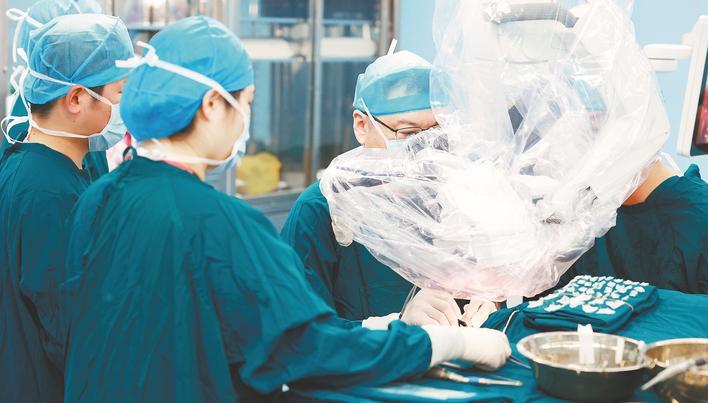
SONG CHEN/CHINA DAILY
The 河南省三门峡市区新闻网European Union's Carbon Border Adjustment Mechanism began functioning on Jan 1. It is a policy tool that encourages cleaner industrial production in non-EU countries by putting a price on the carbon emissions caused to produce goods entering the EU. The development is worrisome for China's aluminum industry, one of the sectors covered by the EU CBAM because it would mean higher costs at the border.
But what is driving the anxiety across the entire non-ferrous metals industry is not merely the higher cost but the uncertainty about the future path of the EU CBAM. Three questions dominate industry discussions: First, whether the indirect emissions of aluminum products will be included in the accounting. Second, whether EU CBAM will cover other non-ferrous metals as well. And third, whether China's national carbon market can offset the impact of the EU CBAM.
The indirect emissions of the electricity consumed by aluminum processing units account for roughly 80 percent of the overall emissions of the products. However, under the EU CBAM policy, indirect emissions are not included in the accounting scope. The main reason for not including indirect carbon emissions is that the EU gives subsidies for electricity prices, allowing some of the indirect emissions of aluminum products within the EU to remain unregulated. It would therefore be unfair to include the indirect emissions of aluminum products, when there is a subsidy on electricity.
Whether indirect emissions are eventually included in the EU CBAM accounting scope depends on whether the EU ends its subsidies for domestic electricity prices. But, given the complexities of those subsidies and the EU's need to maintain industrial competitiveness, completely abolishing the subsidy system is not practical. Though reforms are gradually being implemented, it is unlikely that the indirect emissions of aluminum products will be included in the accounting scope.
It is not clear whether the EU CBAM will cover other non-ferrous metal industries. It is necessary to understand the EU CBAM's legislative logic here. The EU CBAM is built on the foundation of the European Union Emissions Trading System (EU ETS), its operational mechanisms and decades of industry emission data.
The EU ETS has clear criteria for sector inclusion: enterprise-level emissions, total sector emissions, emissions intensity and exposure to international trade. Apart from aluminum, other non-ferrous metals have not been included because of the particularities of each industry. Copper smelting was not included because copper smelting capacity in the EU is limited, and the carbon intensity per unit of output is relatively low. Magnesium smelting was left out because the EU has limited domestic production capacity.
The EU CBAM largely follows the same framework. Therefore, whether it will cover other non-ferrous metals depends on the industrial development in the EU and whether those industries meet the ETS criteria for inclusion. Given the relatively stable development of industries in the EU, it is unlikely that the EU CBAM will cover other non-ferrous metal categories in the short term.
The EU CBAM allows companies to use the carbon pricing mechanism to offset the carbon costs already paid on the products in the country of origin. If an aluminum manufacturer has paid a certain cost in China's national carbon market, that amount can be adjusted against the EU CBAM charges. Many enterprises therefore consider this a practical way to reduce costs.
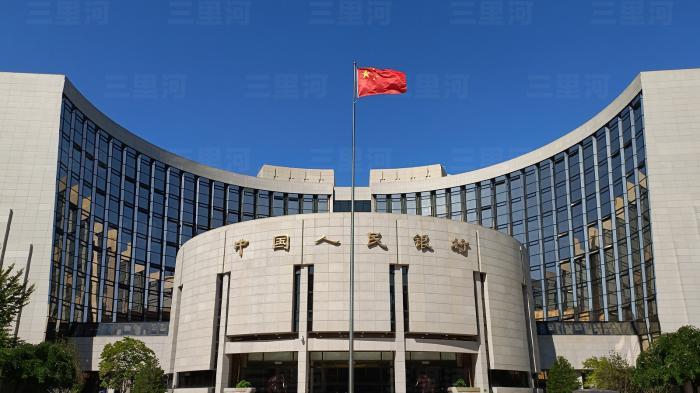
However, carbon prices in the EU ETS are nine times higher than in China. In 2025, the average carbon price of the EU ETS was€75 ($88) per ton, while the price in China's national carbon market was around 70 yuan ($10) per ton.
Also, although electrolytic aluminum has been included in China's national carbon market, trading has not yet begun. So, it will not be possible to offset part of the EU CBAM costs for aluminum products through trading in China's national carbon market. In the medium term, even if trading in electrolytic aluminum begins in China's national carbon market, due to the huge gap in carbon prices between China and Europe, the EU CBAM costs that can be offset will still be insignificant.
In the long term, China's national carbon market will develop steadily, gradually reducing free quotas, enriching carbon financial tools, expanding the scope of compliance industries to enhance the constraining power of the carbon market and gradually increasing the carbon price, narrowing the gap with the EU ETS. This will ultimately neutralize the impact of the EU CBAM on aluminum products.

我国在运最大陆上风电基地全容量投产发电

“最美基层民警”林芳德: 匠心守护铁路平安
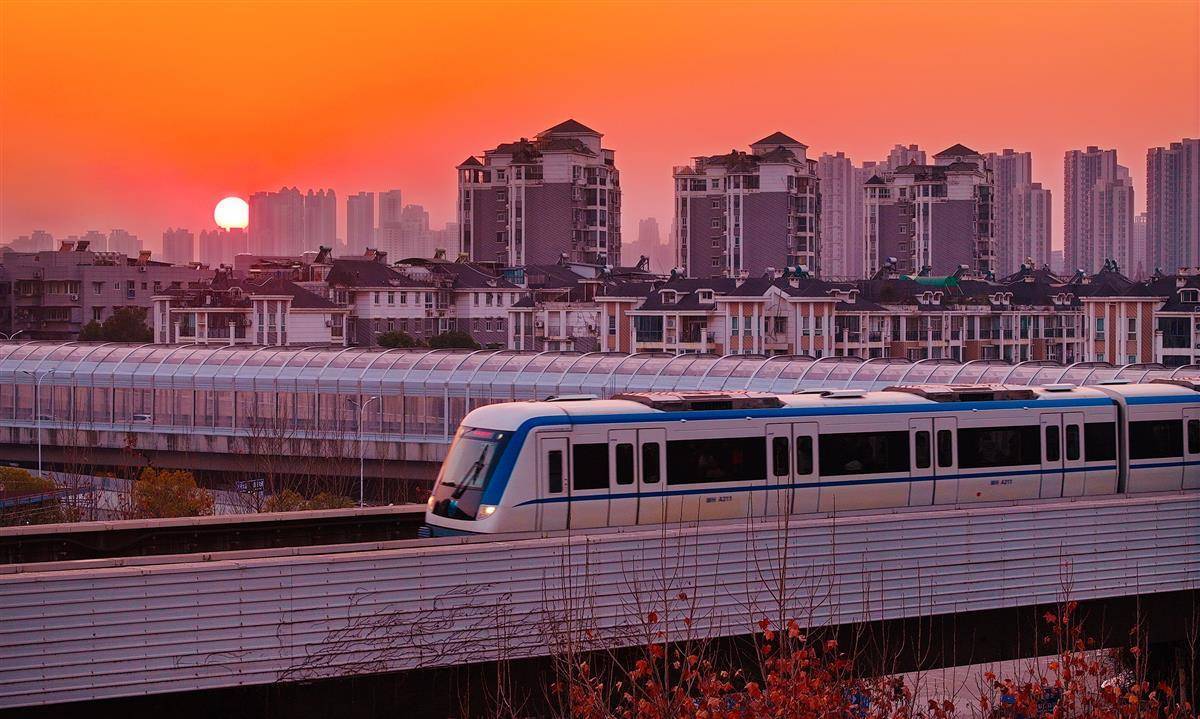
被武汉的黄昏狠狠惊艳!1号线,这一幕绝了

把“期末”变成“期待”!大冶这所学校花式玩转期末测评

今年前11月全国铁路完成固定资产投资6407亿元
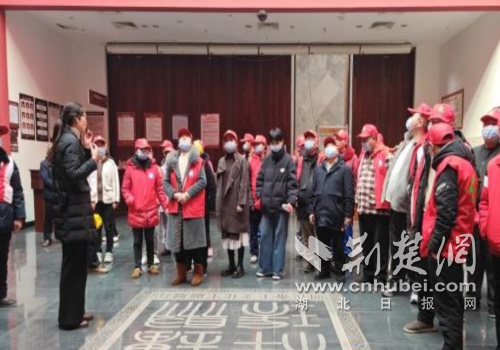
钟祥市开展文化进残疾人家庭“五个一”系列活动
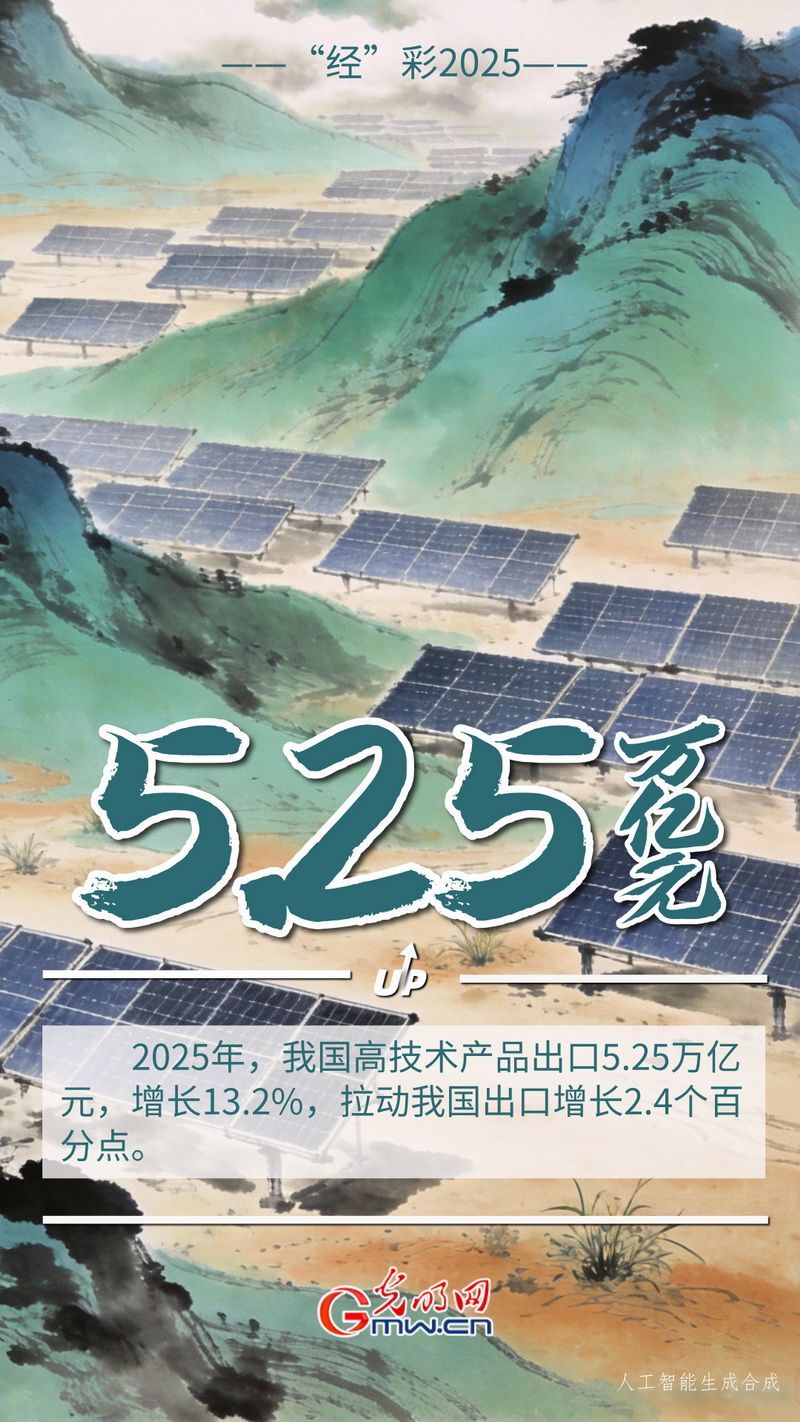
“经”彩2025丨高技术产品“新”潮澎湃 我国外贸“含智量”稳步提升
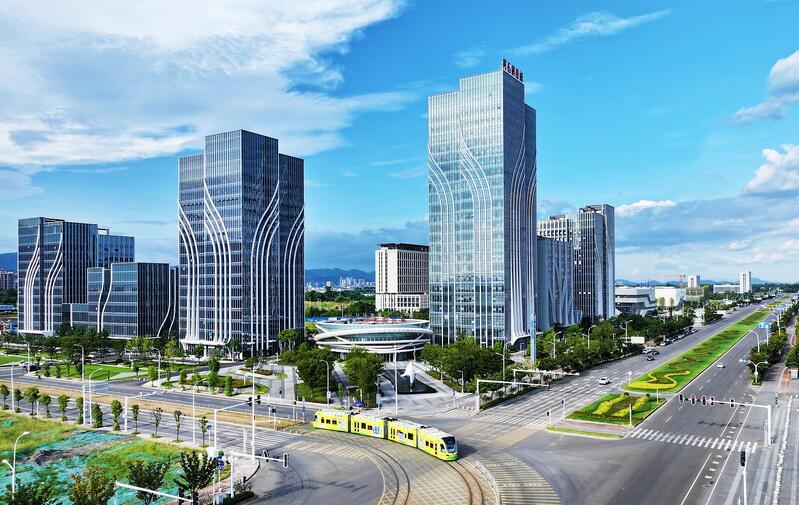
研发在武汉、转化在黄石——90公里的创新协同成就“黄石芯”

前10月造船完工量同比增长12%

乌美周末将在迈阿密举行新一轮会谈
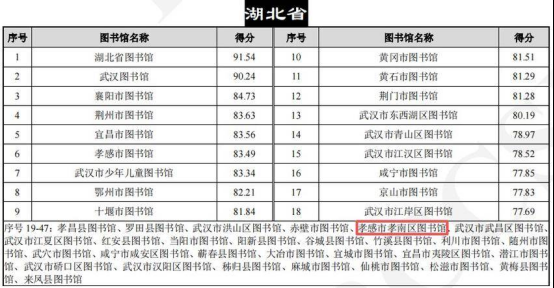
孝南区图书馆上榜全国影响力榜单

AI走进校园会发生什么化学反应?这些课堂给出答案
 郎朗乐境音乐会定档7月5日深圳:以破界之姿,开启全维感官盛宴
郎朗乐境音乐会定档7月5日深圳:以破界之姿,开启全维感官盛宴
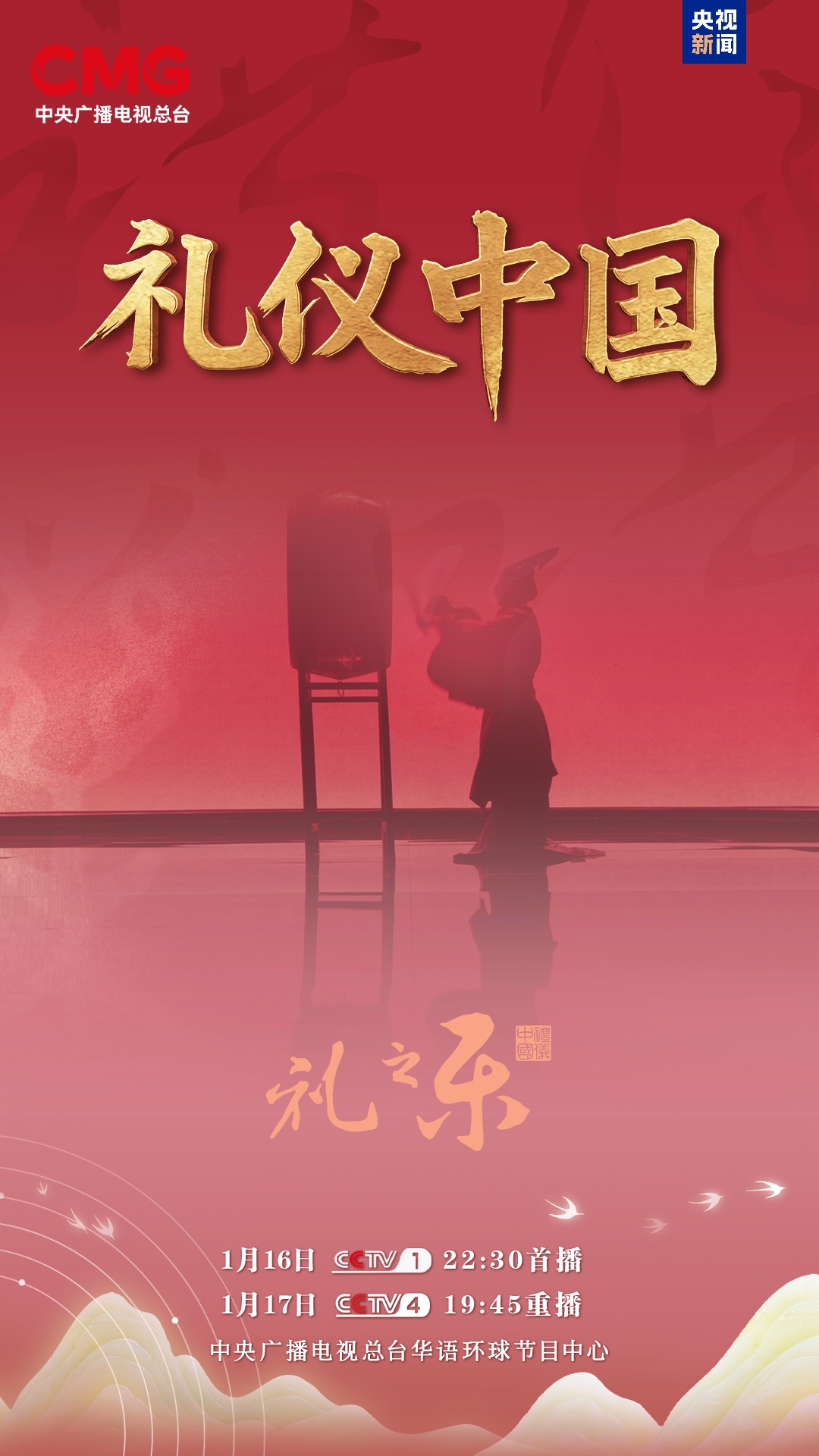 礼仪中国丨 共同探寻中华礼乐的温度与力量
礼仪中国丨 共同探寻中华礼乐的温度与力量
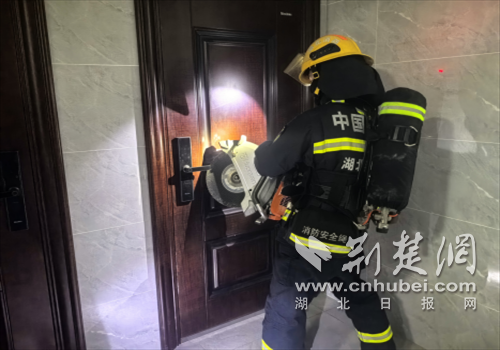 两站联动破痛点 荆门消防双线协同开展高层演练
两站联动破痛点 荆门消防双线协同开展高层演练
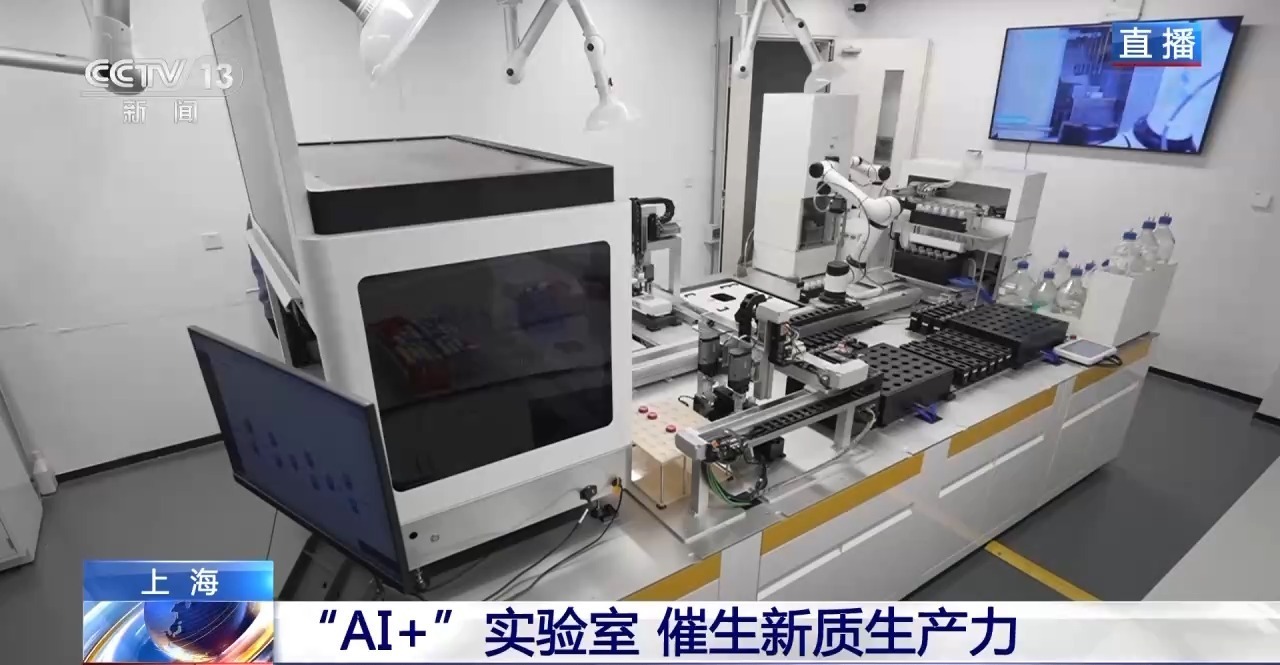 视频丨AI+实验室,会产生怎样的变化?探访全流程AI“无人实验室”→
视频丨AI+实验室,会产生怎样的变化?探访全流程AI“无人实验室”→
 文博会今日开幕,广东文化产业谱写时代新篇
文博会今日开幕,广东文化产业谱写时代新篇
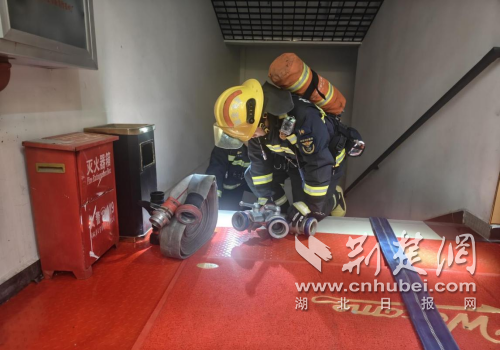 荆门消防无预案拉动淬硬功 守护辖区“夜间防线”
荆门消防无预案拉动淬硬功 守护辖区“夜间防线”
“最美基层民警”林芳德: 匠心守护铁路平安
“最美基层民警”林芳德: 匠心守护铁路平安
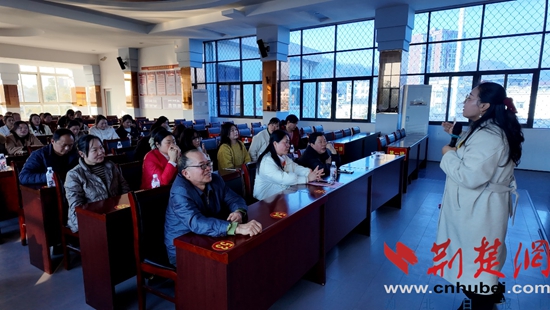 大冶灵乡70余名居民共话家风,用小故事讲明白大道理
大冶灵乡70余名居民共话家风,用小故事讲明白大道理
 云南丽江白沙文昌宫推出高考季文化活动
云南丽江白沙文昌宫推出高考季文化活动
“最美基层民警”林芳德: 匠心守护铁路平安
“最美基层民警”林芳德: 匠心守护铁路平安
孝南区图书馆上榜全国影响力榜单
孝南区图书馆上榜全国影响力榜单
孝南区图书馆上榜全国影响力榜单
孝南区图书馆上榜全国影响力榜单